From Insights to Action: How HEAL’s Gap Assessment Was Developed (WP2)
In HEAL, the Gap Assessment is a core outcome of Work Package 2 (WP2), designed to build an evidence-based picture of what is currently available in higher education settings—and what is still missing—when it comes to mental health support services and trauma-informed teaching and communication practices. The purpose of WP2 is not only to “map the gaps,” but also to ensure that the next project steps (especially the co-creation of the training curriculum) are grounded in real experiences from both students and higher education professionals (HED professionals) across the partner countries.
Step 1: Roundtables to capture lived experience and professional practice
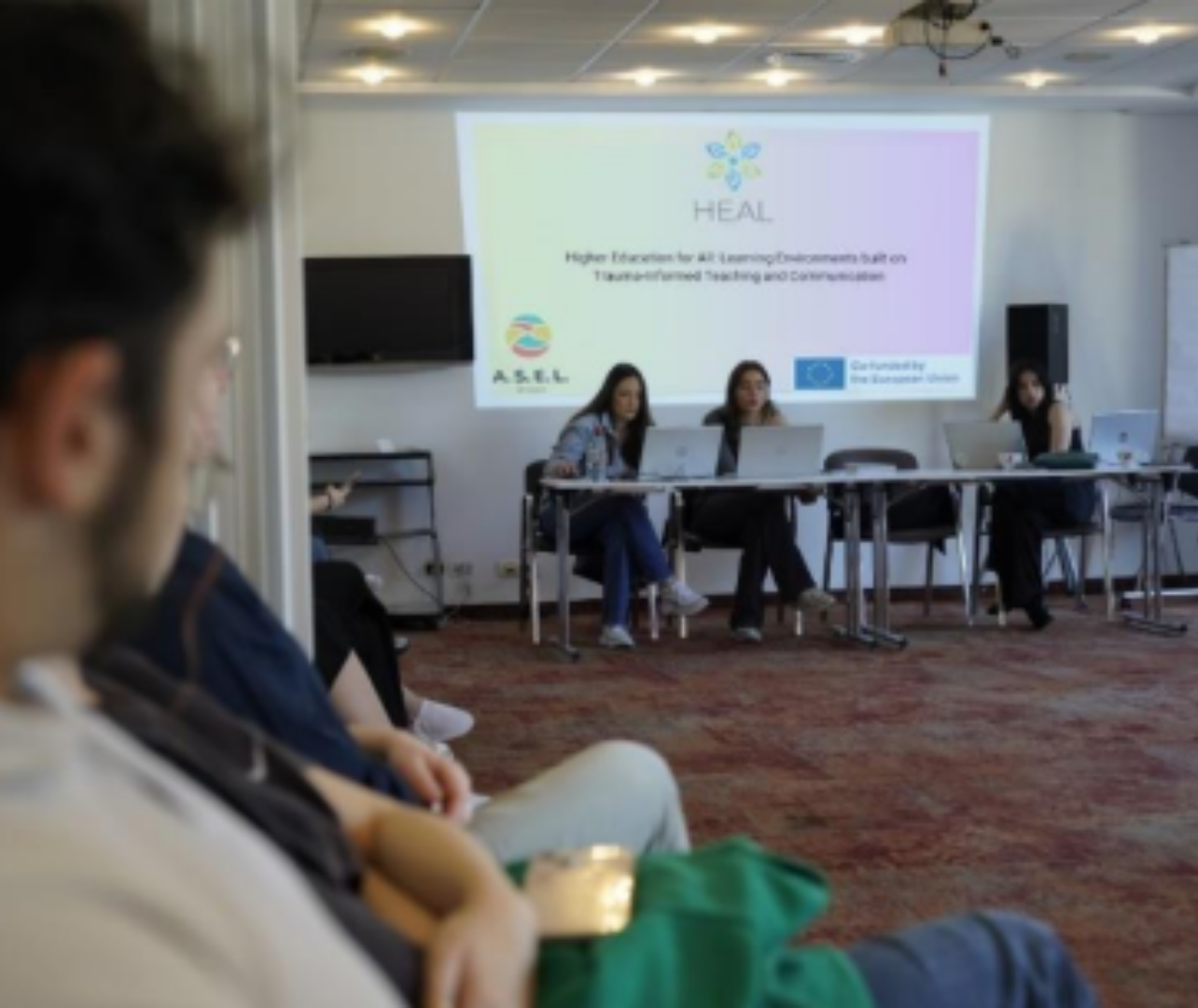
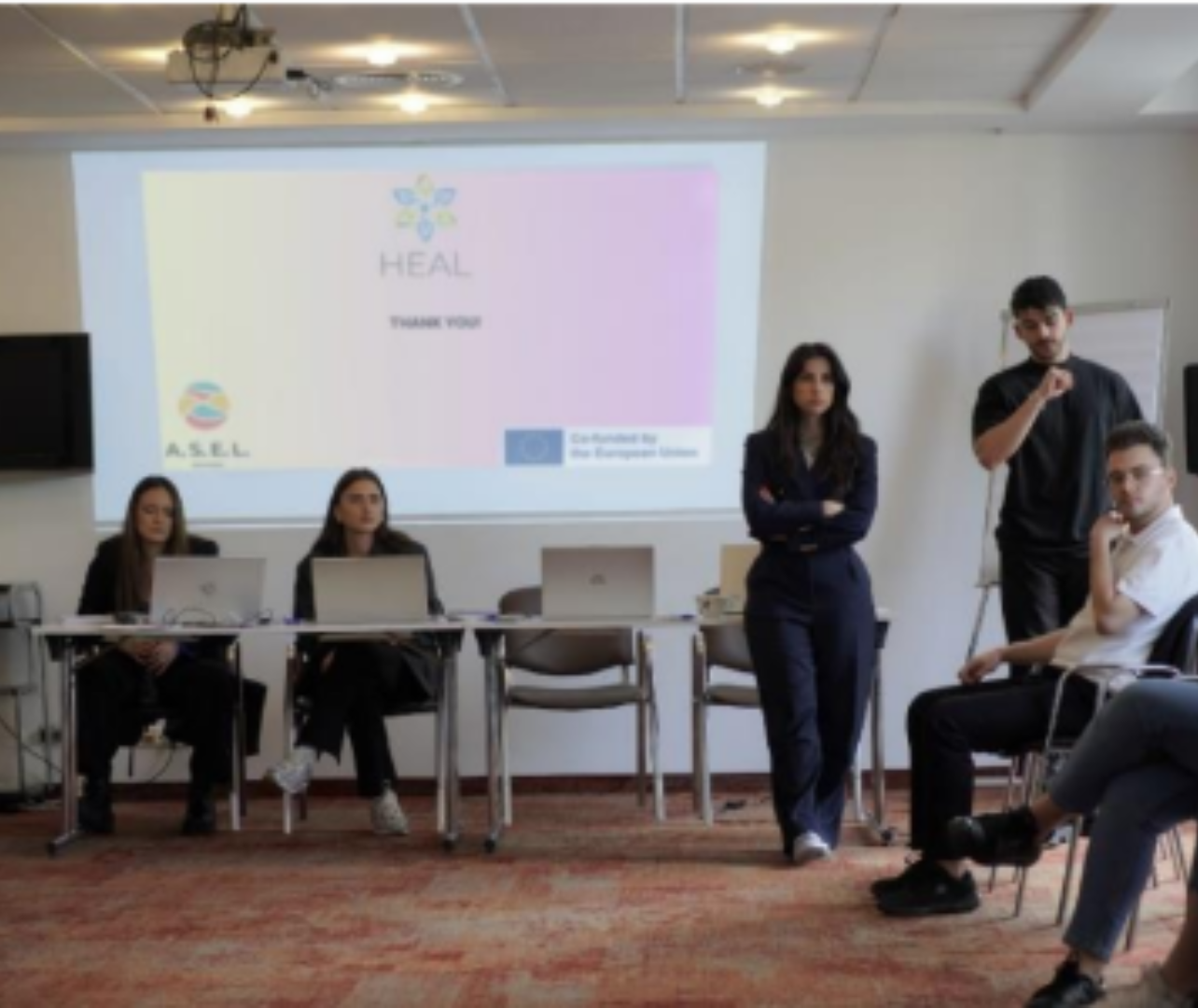
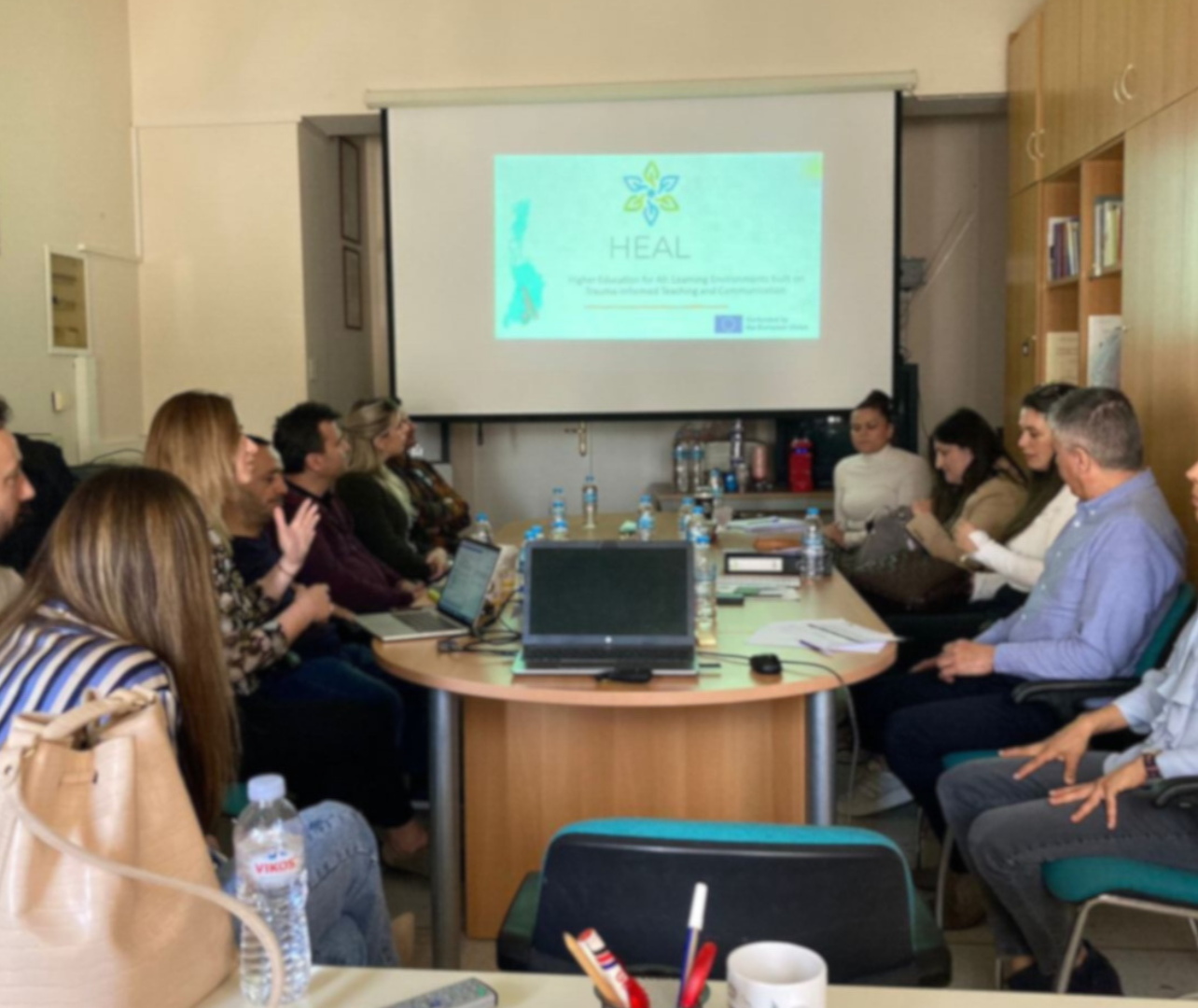
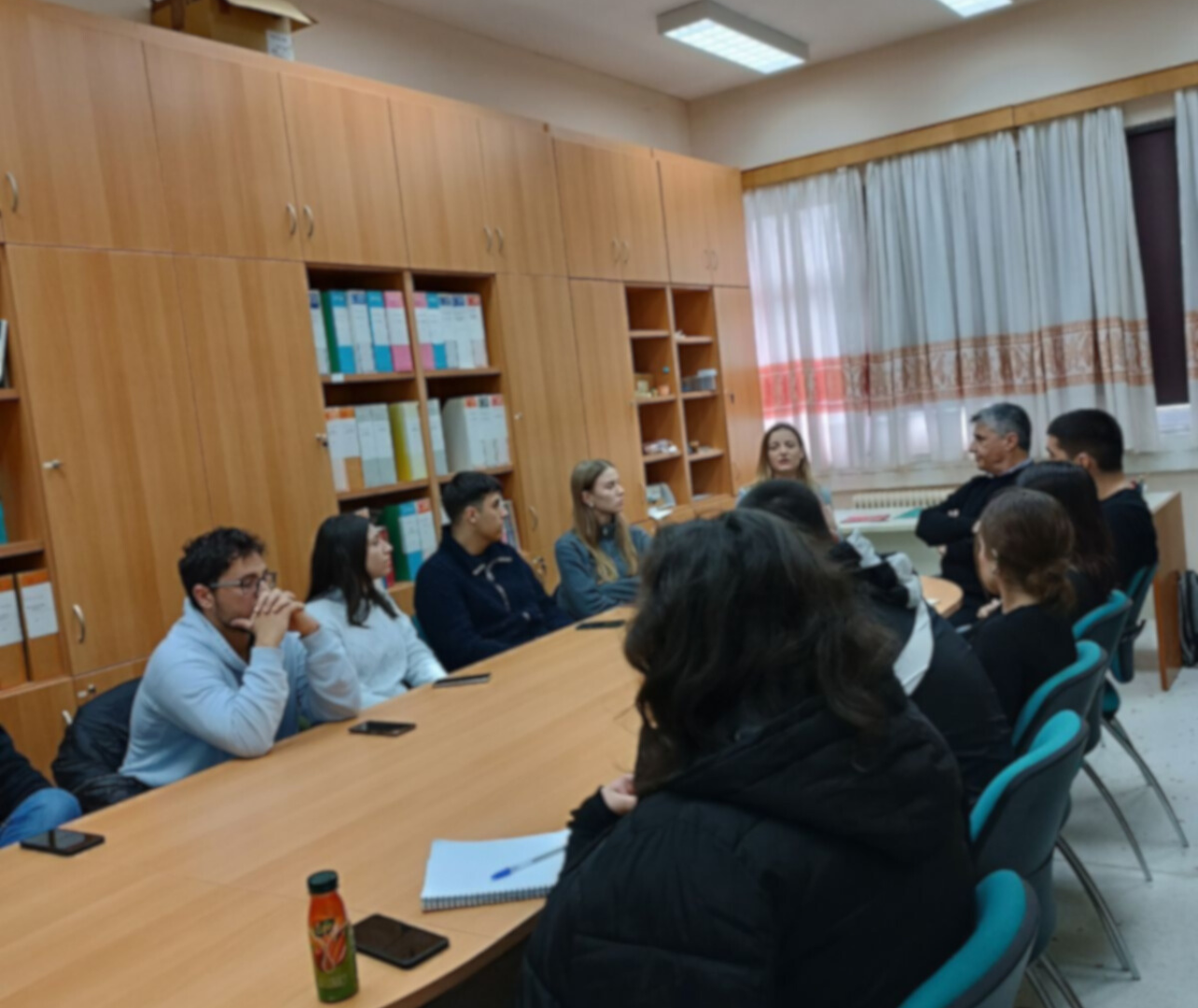
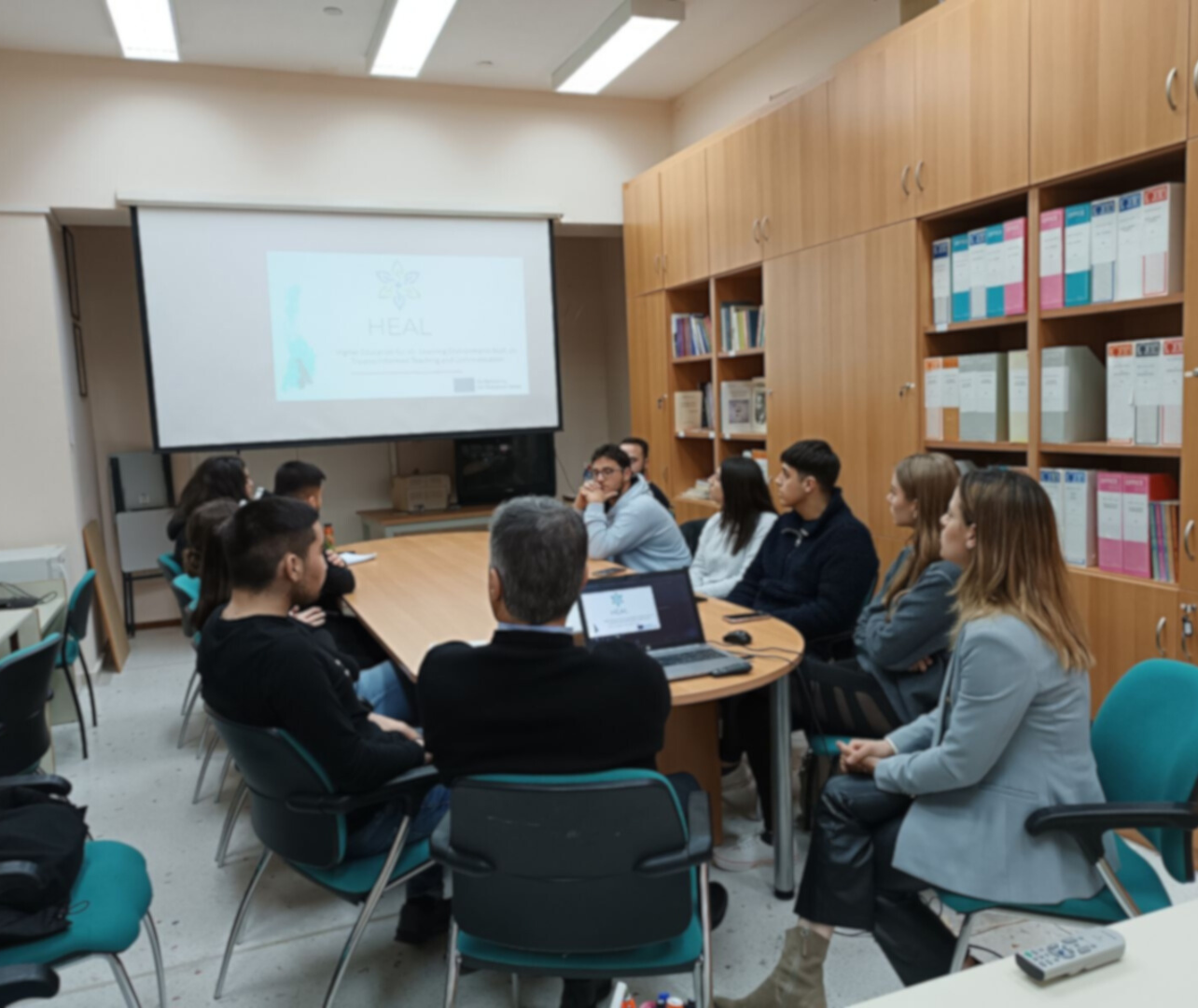
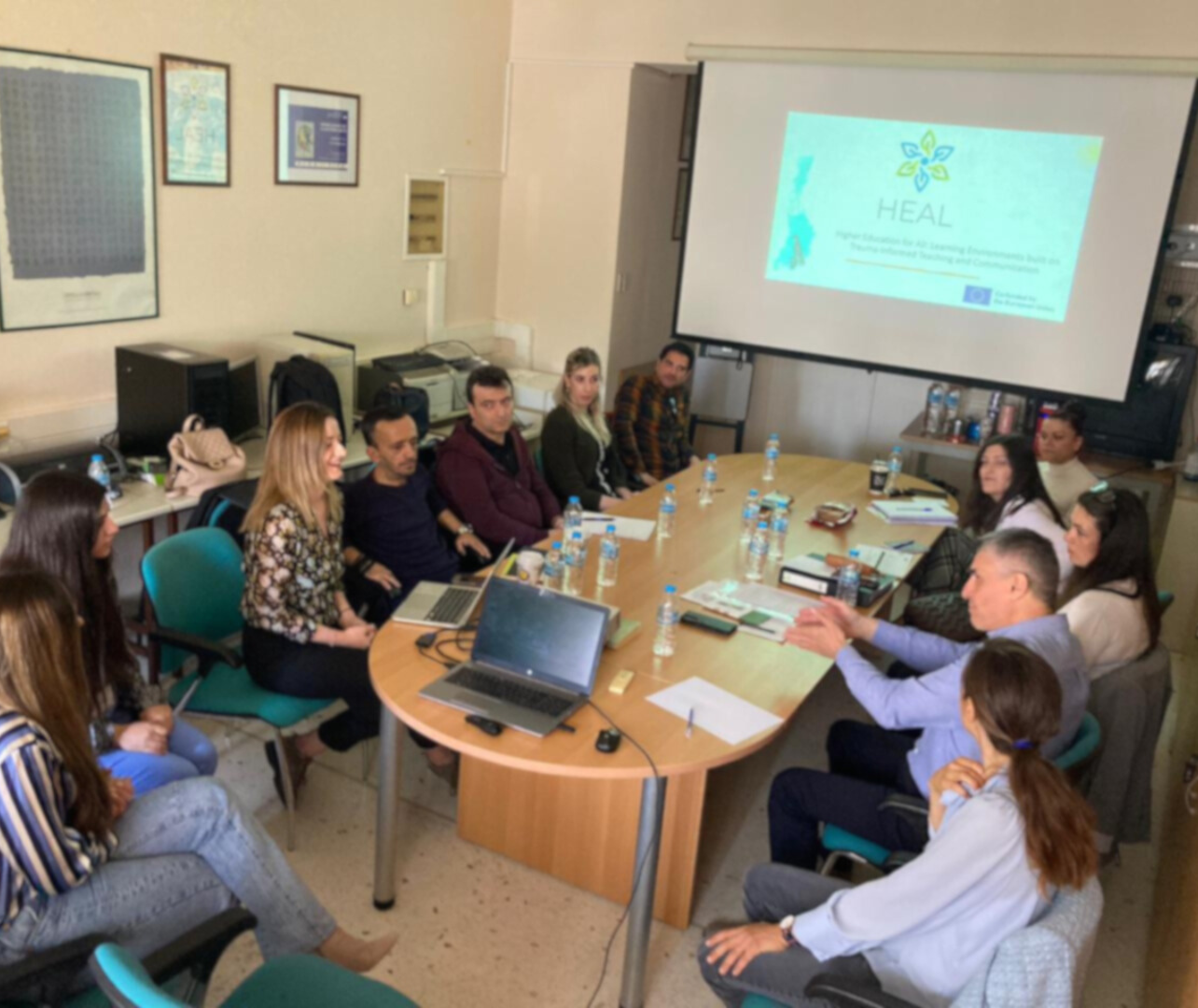
The first pillar of the Gap Assessment was a series of roundtable discussions organised across the HEAL partnership. These roundtables brought together students and HED professionals—including educators/professors, counsellors, and mental health experts—so that HEAL could collect structured qualitative insights about trauma, how it affects learning and participation, and how institutions currently respond (or struggle to respond) to these needs. The discussions followed a moderated panel format with guiding questions focused on: how participants understand trauma in academic life, what trauma-informed practices (if any) exist in their institutions, what barriers prevent effective support, and what practical improvements would make a difference. The process was also designed with careful attention to institutional rules and data protection requirements.
What made the roundtables particularly valuable for WP2 was their ability to surface patterns and context-specific realities at the same time. Across countries, participants consistently highlighted the need for stronger trauma awareness, clearer pathways to support, and better staff preparation. At the same time, the discussions also made visible how institutional culture and context shape what students experience and what educators feel able to do in practice—offering a strong foundation for recommendations that are both shared and adaptable.
Step 2: Online surveys to broaden evidence and validate trends
To complement the depth of the roundtables with wider coverage, HEAL conducted online surveys targeting both students and HED professionals across the partner institutions. The survey design was coordinated across the partnership to ensure common focus and comparability: partners aligned on the survey contents in an online meeting, and the questionnaires were then translated into partners’ languages to support accessibility. The survey included a combination of scaled questions and open responses, allowing participants to report both measurable perceptions (e.g., awareness and accessibility of support) and qualitative reflections (e.g., what prevents help-seeking, what support feels safe and realistic). Responses were anonymised, distributed electronically, and promoted through institutional channels with reminders to encourage participation.
The surveys strengthened the Gap Assessment in two ways. First, they helped identify recurring themes at scale—especially around stigma, limited mental health resources, inconsistent availability of counselling, and uncertainty about how to access support. Second, they allowed the partnership to cross-check whether the challenges raised in roundtables were isolated or broadly experienced. This combination of qualitative depth and wider validation is what enabled WP2 to move from “individual stories” to a credible and actionable assessment.
Step 3: Joint analysis and synthesis into the final Gap Assessment outcome
After data collection, each partner reviewed and analysed the inputs internally to identify key trends, themes, and recommendations, and these were then synthesised into a consolidated assessment output. In HEAL’s approach, the Gap Assessment is not simply a descriptive report—it is a structured interpretation of what the evidence means for higher education practice. It highlights concrete gaps such as: insufficient trauma-awareness and training among staff, limited or hard-to-reach support services, stigma that discourages disclosure and help-seeking, and academic policies that lack flexibility when students experience crises. It also identifies emerging good practices where they exist (for example, instances where empathy, flexibility, smaller learning environments, or collaboration with support services improves student experience), so that HEAL can build on what is already working.
What the Gap Assessment is—and why it matters for HEAL
In practical terms, the HEAL Gap Assessment is an evidence-based map of needs, barriers, and opportunities related to trauma-informed teaching and communication in higher education. It captures what students say they need in order to feel safe, supported, and able to succeed academically, and it also captures what educators and staff need in order to respond appropriately without uncertainty, burnout, or inconsistent practice. This outcome directly supports WP2’s broader direction: using the identified gaps and best practices to co-create a training curriculum with HED professionals—covering trauma and its impact on learning, trauma-informed teaching strategies, trauma-informed communication, and self-care and support for both educators and students. In other words, the Gap Assessment is the bridge that connects HEAL’s research and consultation phase with the concrete educational resources that will follow.
Gap Assessment