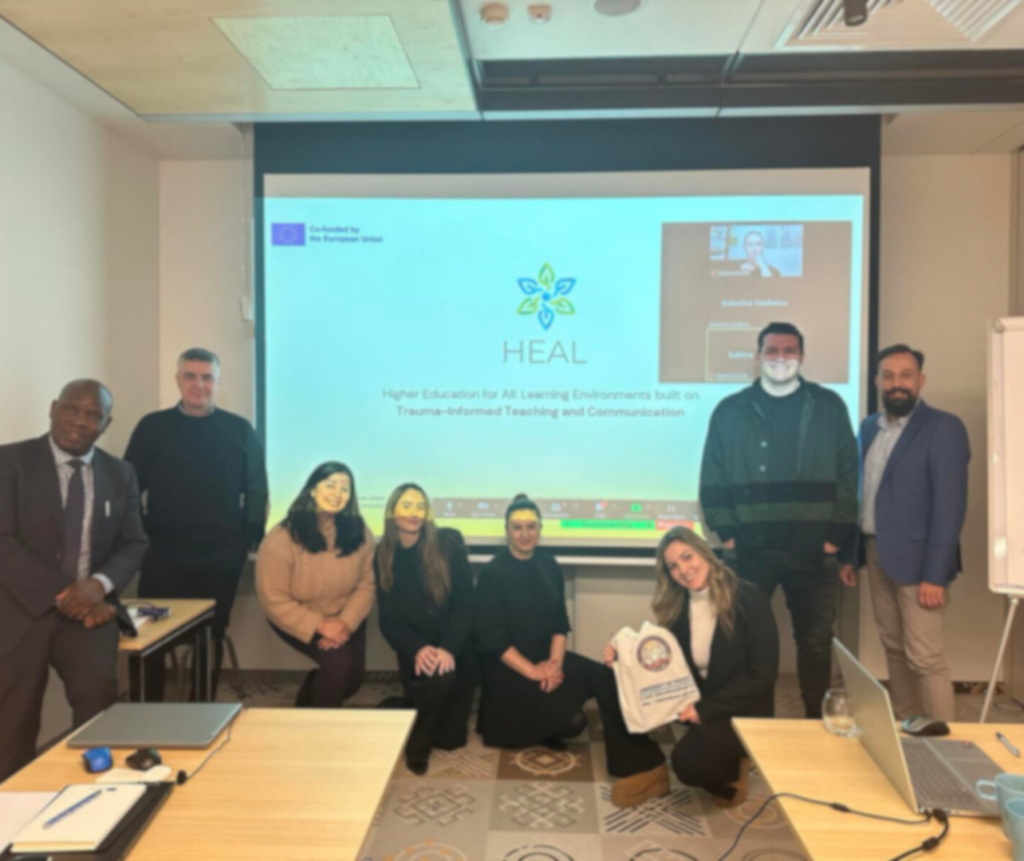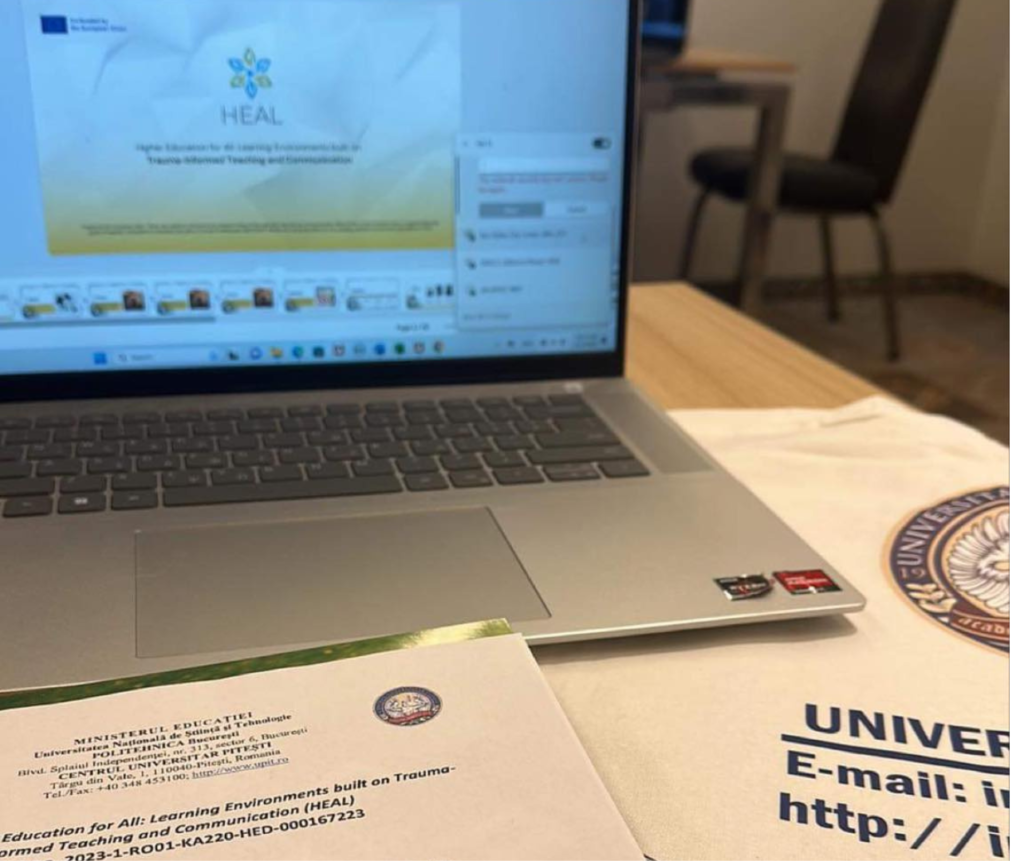
The official Kick-Off Meeting of the HEAL project marked the formal start of the partnership’s joint work and established a shared understanding of the project’s vision, priorities, and long-term direction. During the meeting, partners reviewed the overall concept of “Higher Education for All: Learning Environments built on Trauma-Informed Teaching and Communication,” focusing on the social and educational challenges linked to mental health, well-being, and the impact of trauma on academic life. Key project elements, including objectives, target groups, work packages, and the overall timeline, were presented and discussed, allowing all participating organisations to align their expectations and responsibilities from the outset. The meeting also highlighted the relevance of trauma-informed approaches in the context of recent global challenges, such as the COVID-19 pandemic, migration flows, and social instability, which have intensified mental health concerns among students.
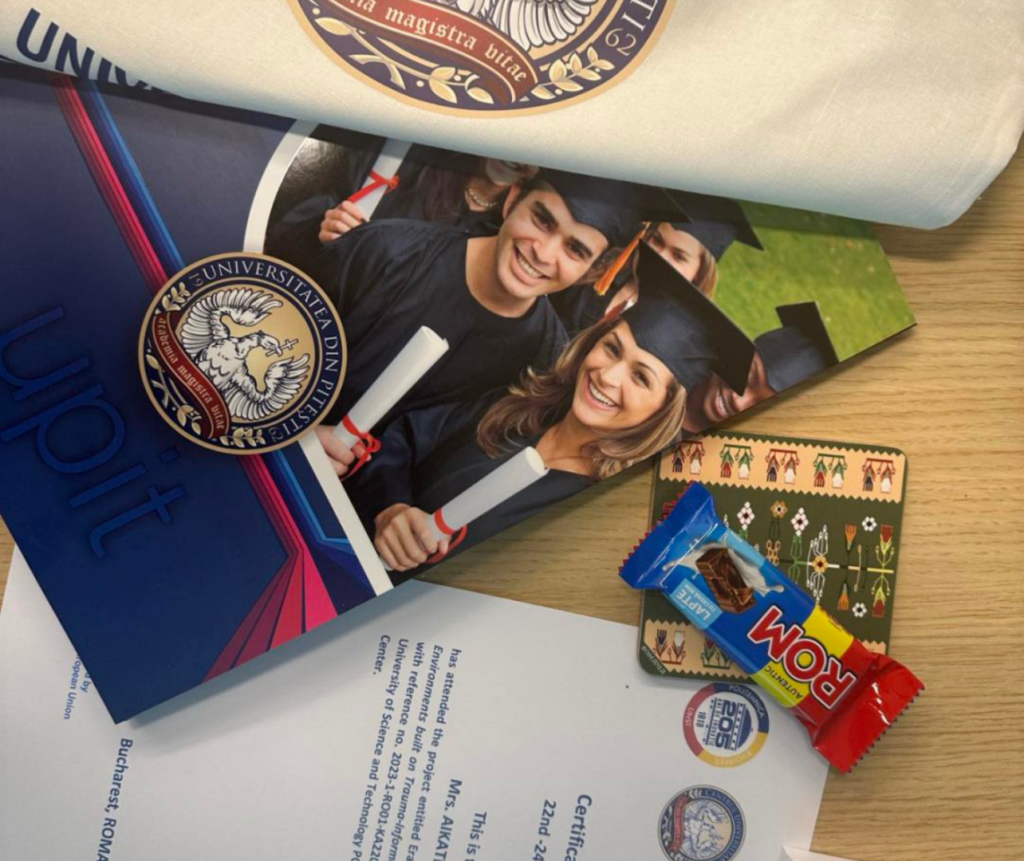
The Kick-Off Meeting took place in Bucharest, Romania, on 23 January 2024, at the IBIS Styles Bucharest City Center, bringing together representatives from all partner organisations. The agenda included welcome and introductory sessions, detailed discussions on work package development, dissemination and communication strategies, project management procedures, and evaluation mechanisms. Special attention was given to coordination structures, reporting processes, and quality assurance measures, ensuring transparency and consistency across the partnership. Participants also discussed internal communication channels, decision-making procedures, and mechanisms for monitoring progress throughout the project lifecycle. These exchanges created a clear operational framework that supports effective cooperation and timely implementation of activities.
Beyond administrative and technical planning, the Kick-Off Meeting served as a platform for strengthening collaboration and building trust among partners. Through open dialogue and structured sessions, participants clarified their individual roles in the development of the gap assessment, curriculum, online courses, digital platform, and dissemination activities. The meeting also encouraged the exchange of institutional perspectives and professional experiences, helping partners identify synergies and shared priorities. This early investment in coordination and mutual understanding laid the groundwork for smooth collaboration in subsequent project phases.
Overall, the HEAL Kick-Off Meeting established a common strategic vision and a practical roadmap for implementation. By combining project overview, operational planning, and collaborative reflection, the meeting ensured that all partners started with a clear sense of direction, shared responsibility, and commitment to quality. This initial coordination milestone continues to guide the partnership’s efforts to strengthen trauma-informed teaching and communication practices in higher education across Europe.