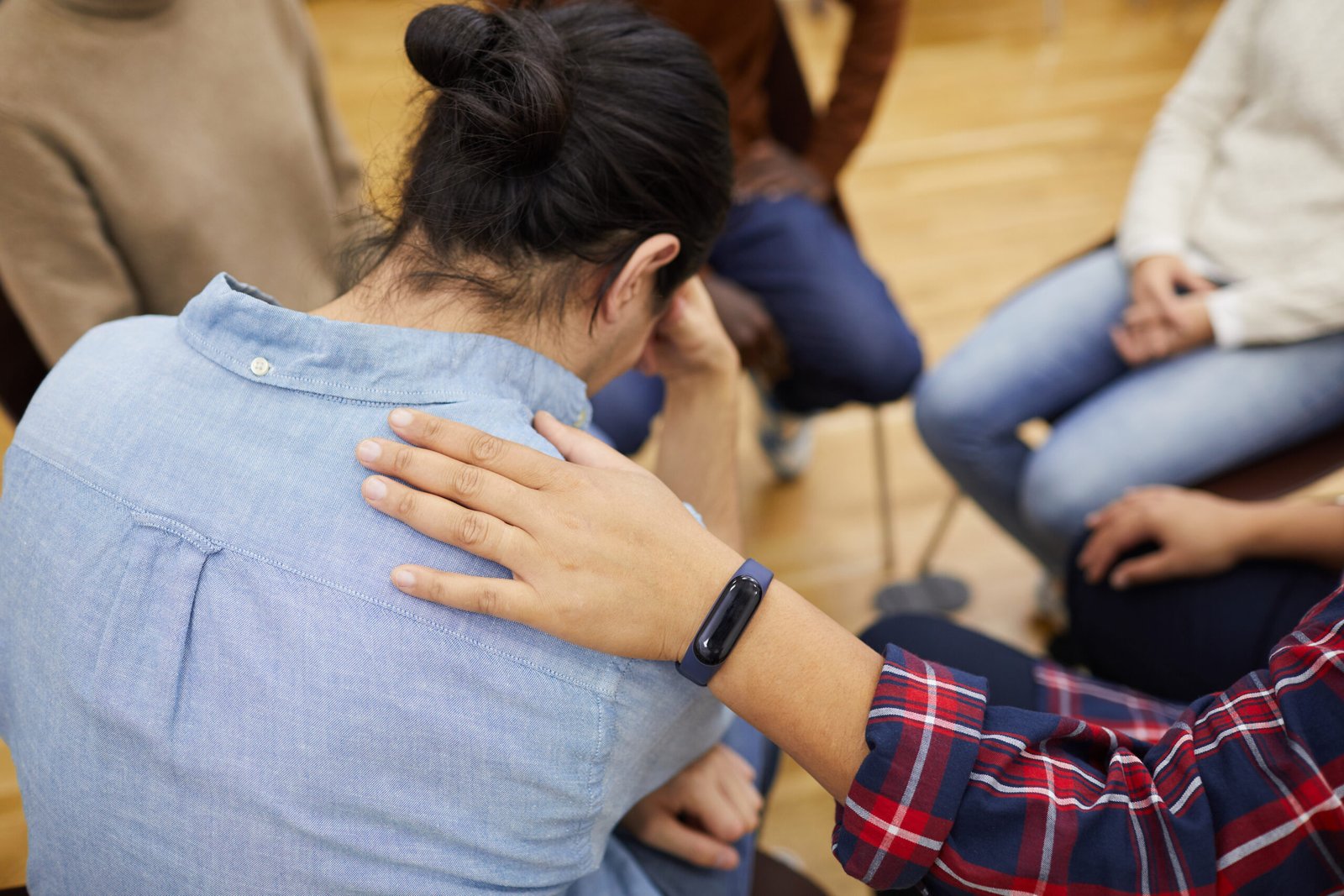
Curriculum: Building the Foundation for HEAL’s Learning Model
The HEAL curriculum was designed as a central learning framework that translates research findings and stakeholder insights into a structured and practical educational pathway for higher education professionals. Building on the results of the Gap Assessment, the curriculum was developed to serve as the backbone for all subsequent learning activities, ensuring coherence, relevance, and pedagogical consistency across the project. It defines the core learning objectives, thematic priorities, and methodological principles that guide the development of HEAL’s online courses and digital learning resources.
At the heart of the curriculum is a modular structure that reflects the key challenges and needs identified during the consultation and assessment phase. It brings together theoretical understanding and applied practice through interconnected learning units focused on trauma and its impact on learning, trauma-informed teaching strategies, trauma-informed communication, and self-care and support for educators and students. Each module gradually builds participants’ knowledge, skills, and confidence, allowing them to move from awareness and reflection to practical implementation within their own institutional contexts.
Based on this common framework, the HEAL partnership translated the curriculum into a series of interactive online courses that were integrated into the project’s digital learning platform. These courses were developed collaboratively by all partners and include lectures, case studies, reflective activities, quizzes, and practical exercises. The purpose was to create accessible, engaging, and flexible learning resources that support continuous professional development for higher education staff, regardless of location or institutional background. By aligning all course materials with the shared curriculum structure, HEAL ensured that learners receive a coherent and progressive learning experience.
Curriculum



Pilot Testing Online: Validating and Improving the Learning Materials
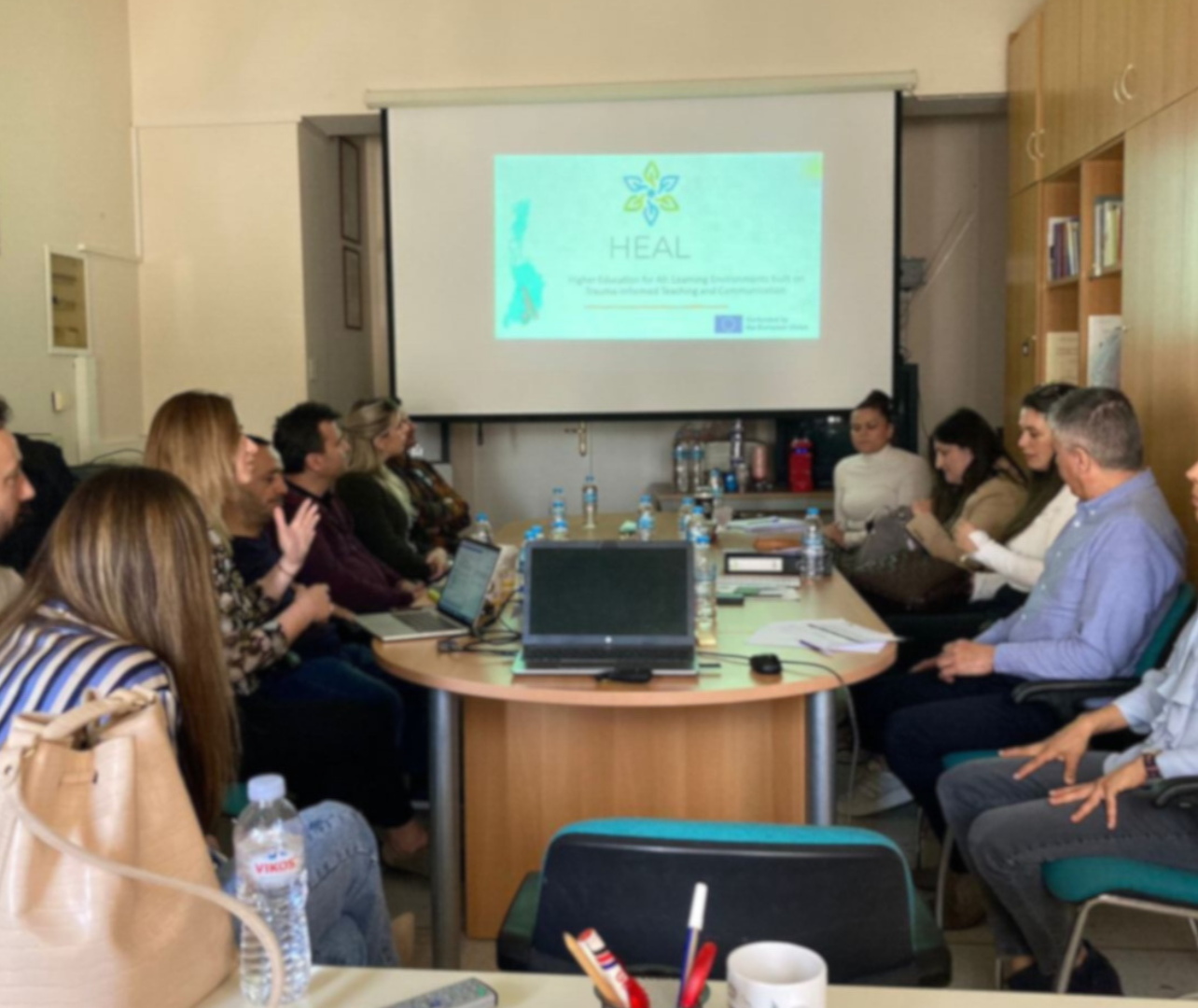
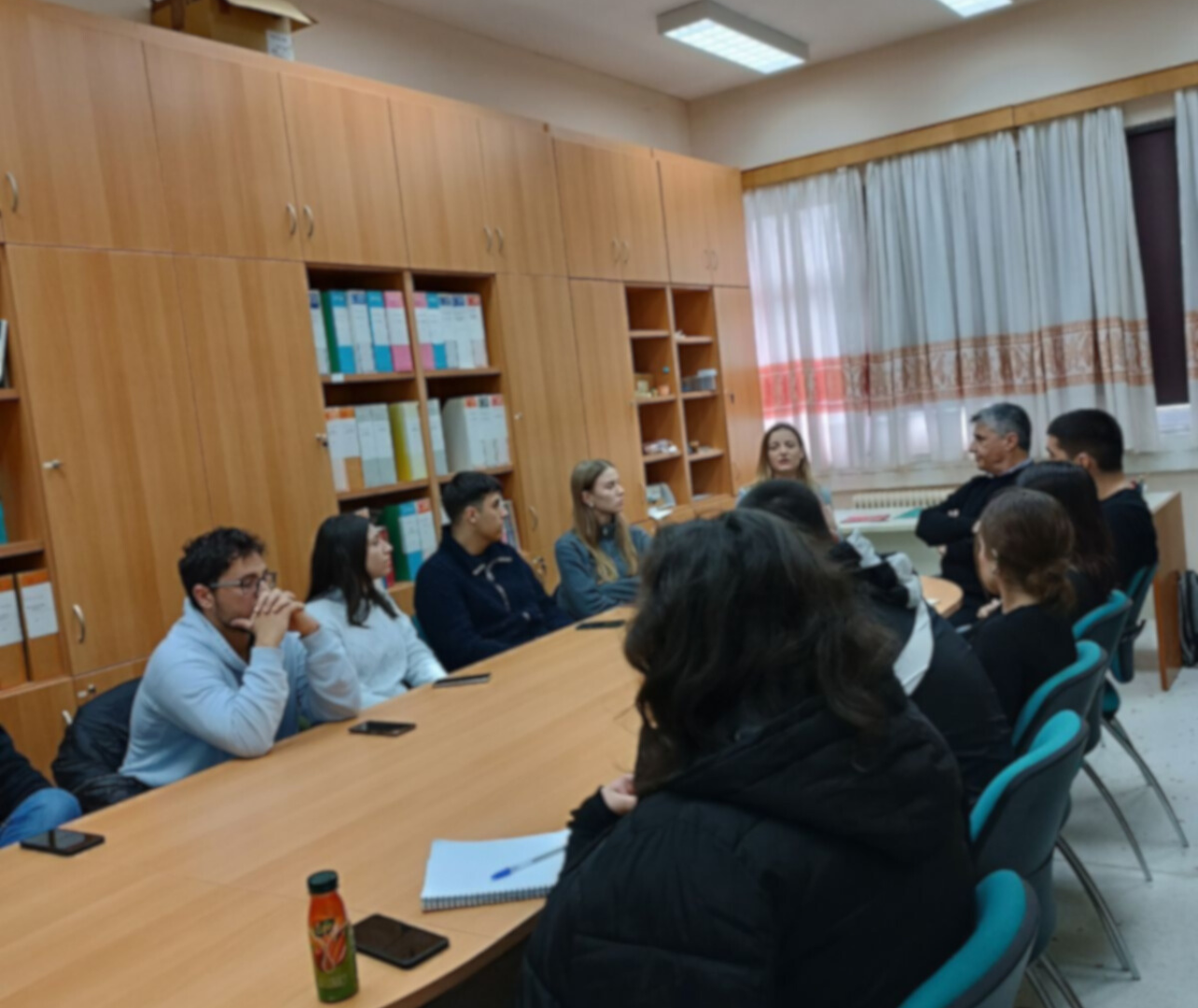
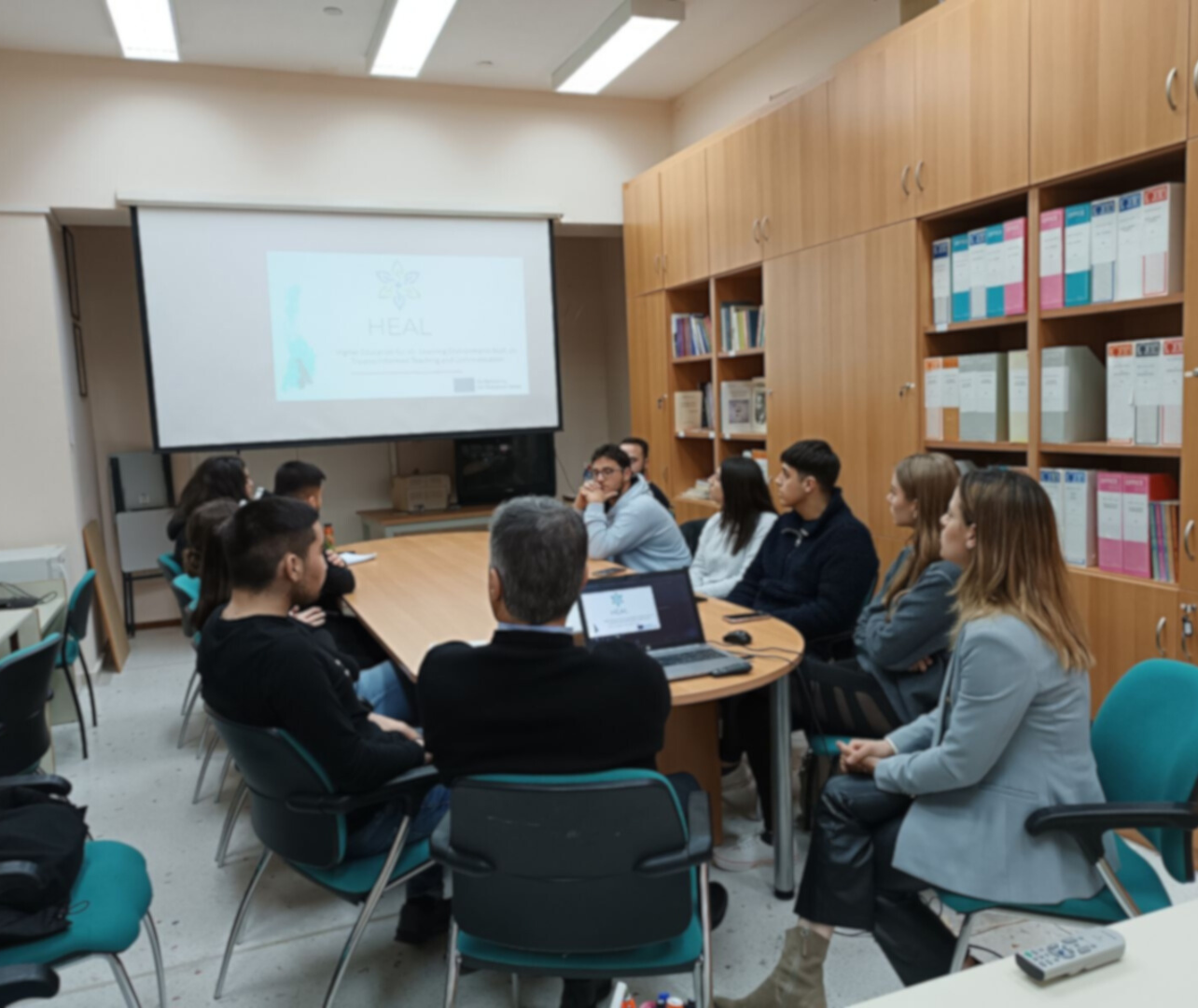
To ensure the quality, usability, and relevance of the courses, the first versions of the materials were tested in an online pilot phase coordinated by the University of Ioannina. During this stage, higher education professionals followed the courses and provided structured feedback on content clarity, pedagogical value, technical functionality, and practical applicability. Their reflections and suggestions were systematically collected and analysed, allowing the partnership to identify areas for improvement and refine both the learning materials and the digital delivery format. This pilot-testing process played a crucial role in transforming the curriculum from a conceptual framework into a robust and user-centred learning tool.
After the pilot phase, the revised courses were finalised and uploaded to the HEAL online learning platform, forming a complete and validated educational package. This process ensured that the final materials were academically sound and responsive to the everyday realities and professional needs of educators working with students affected by trauma. The curriculum thus developed into a living framework, continuously improved based on practitioner feedback and collaborative reflection.
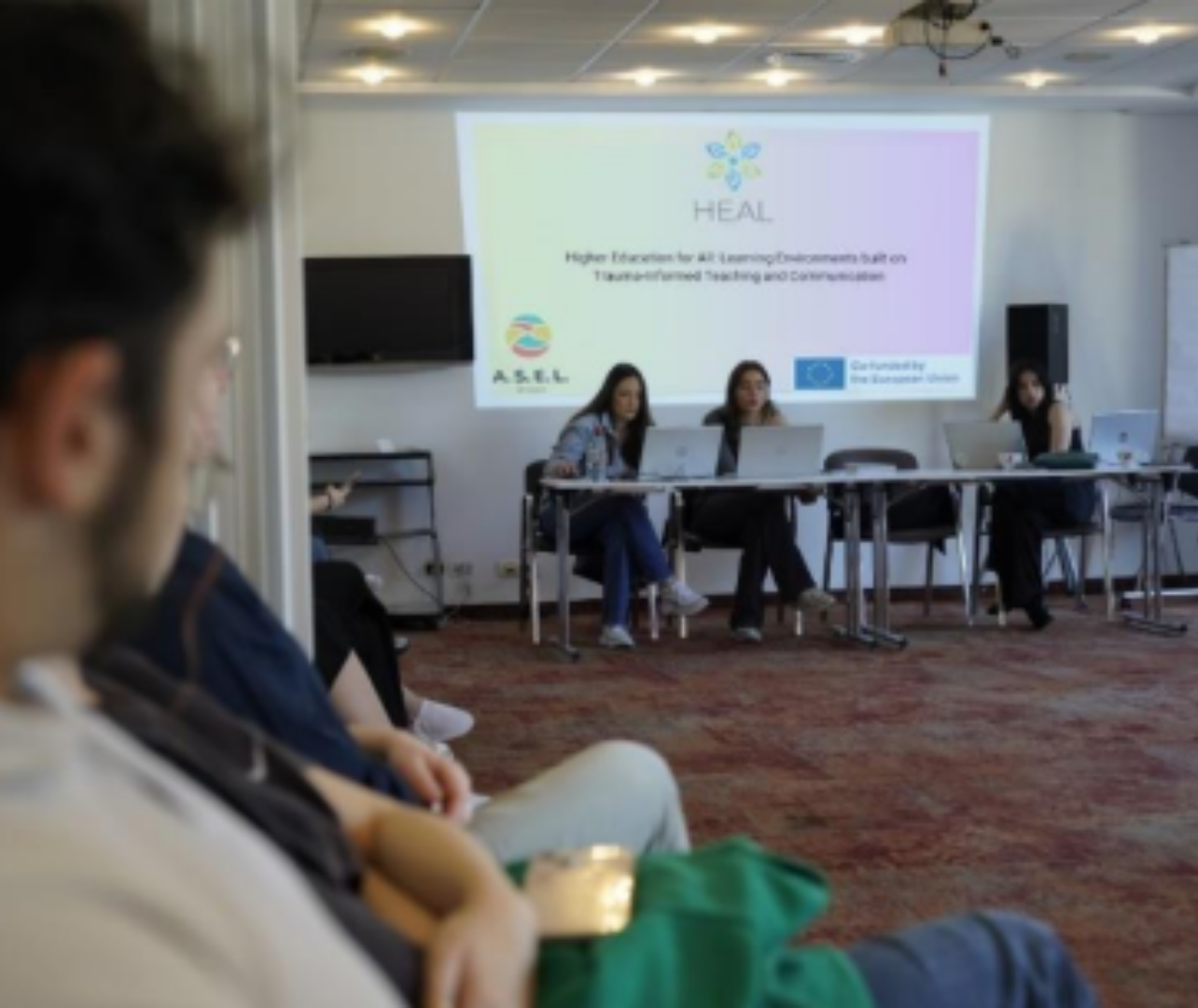
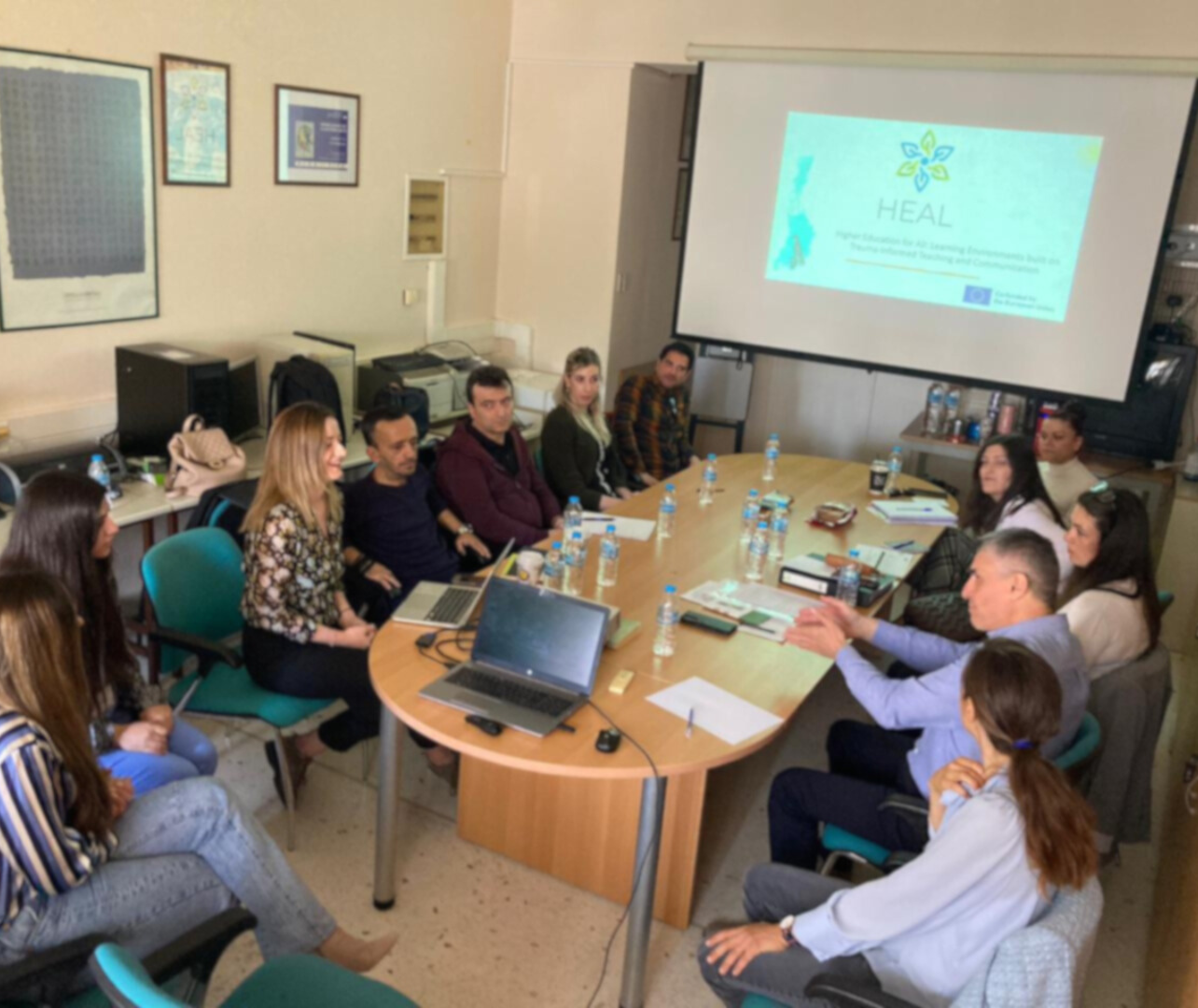
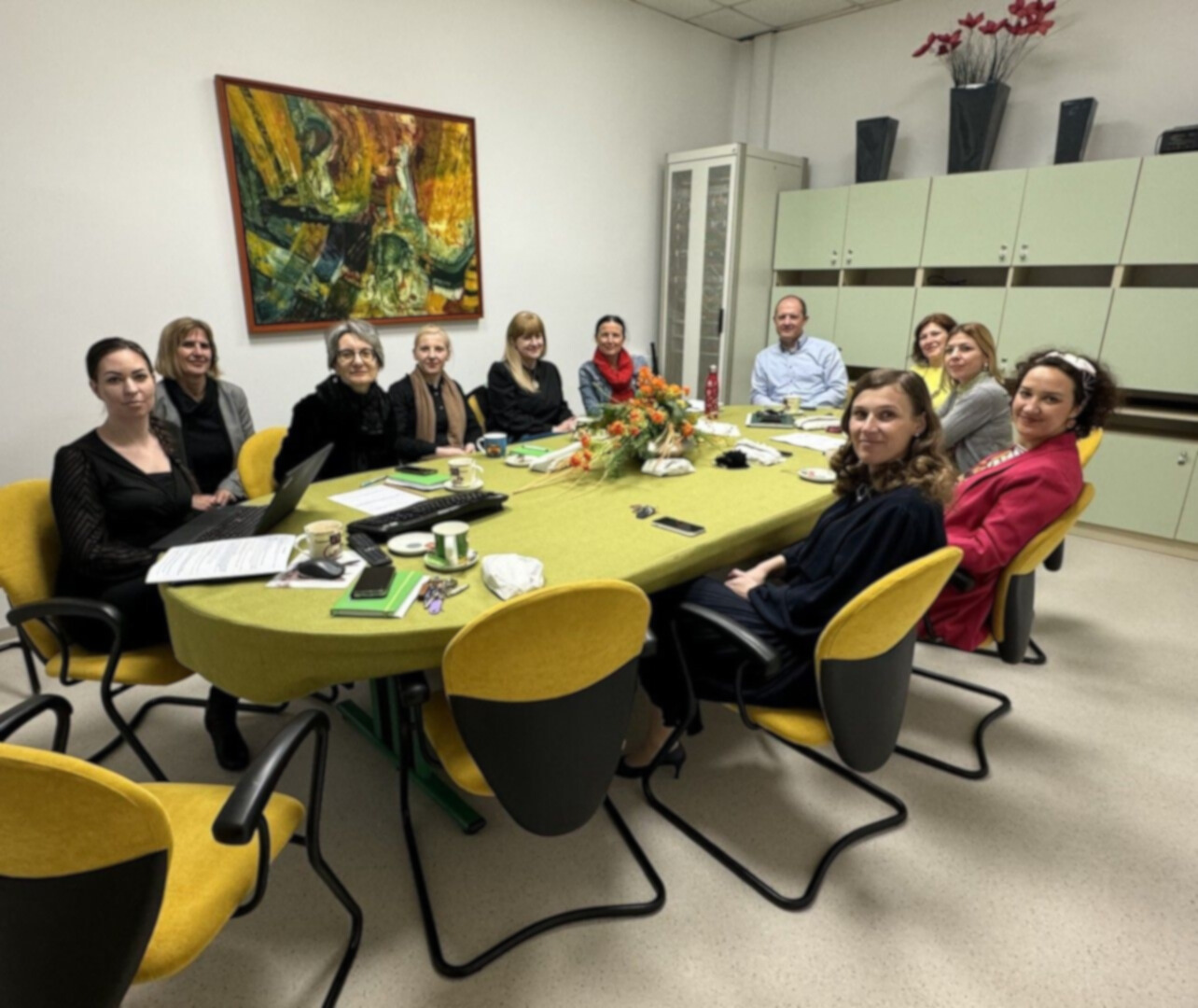
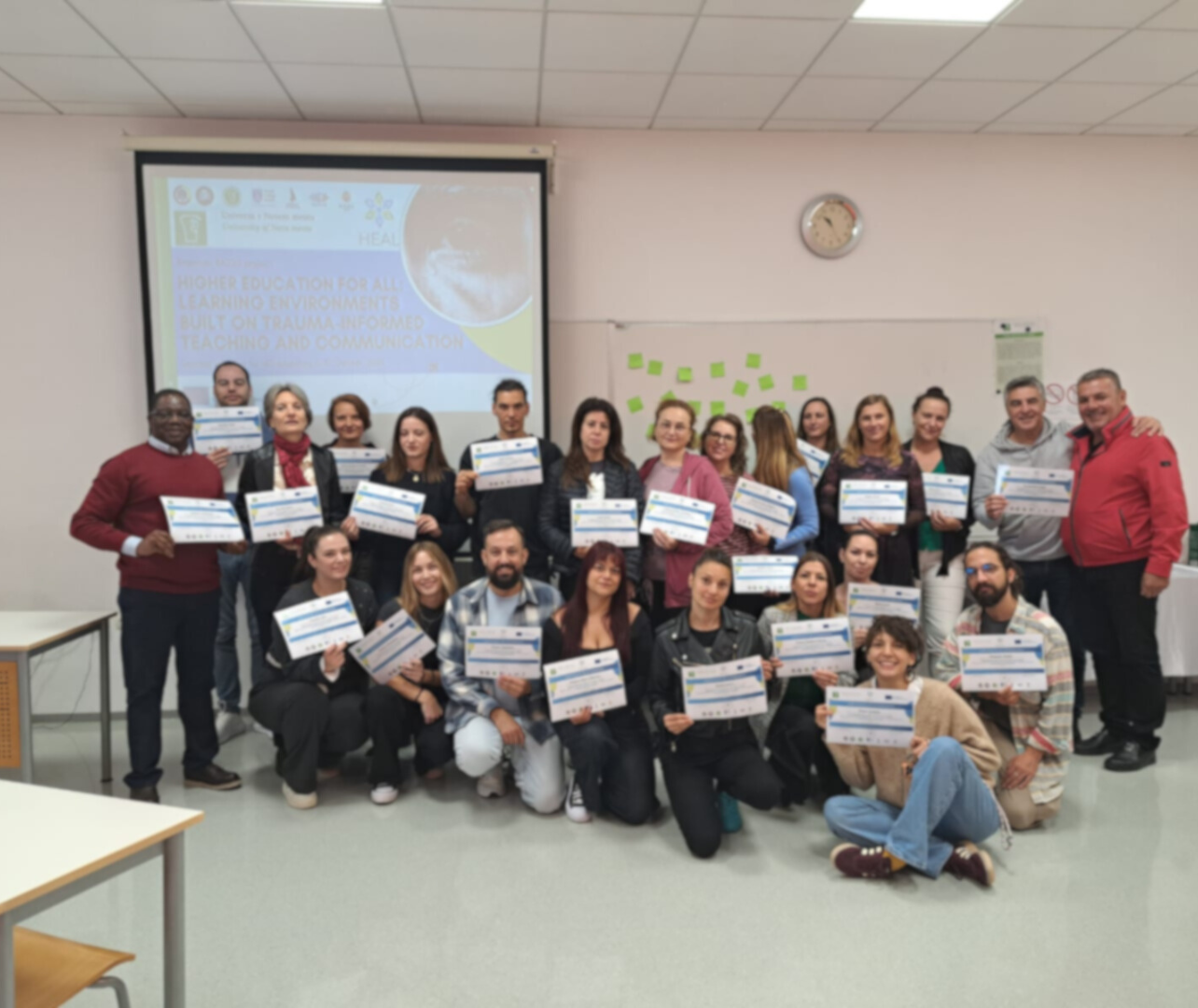
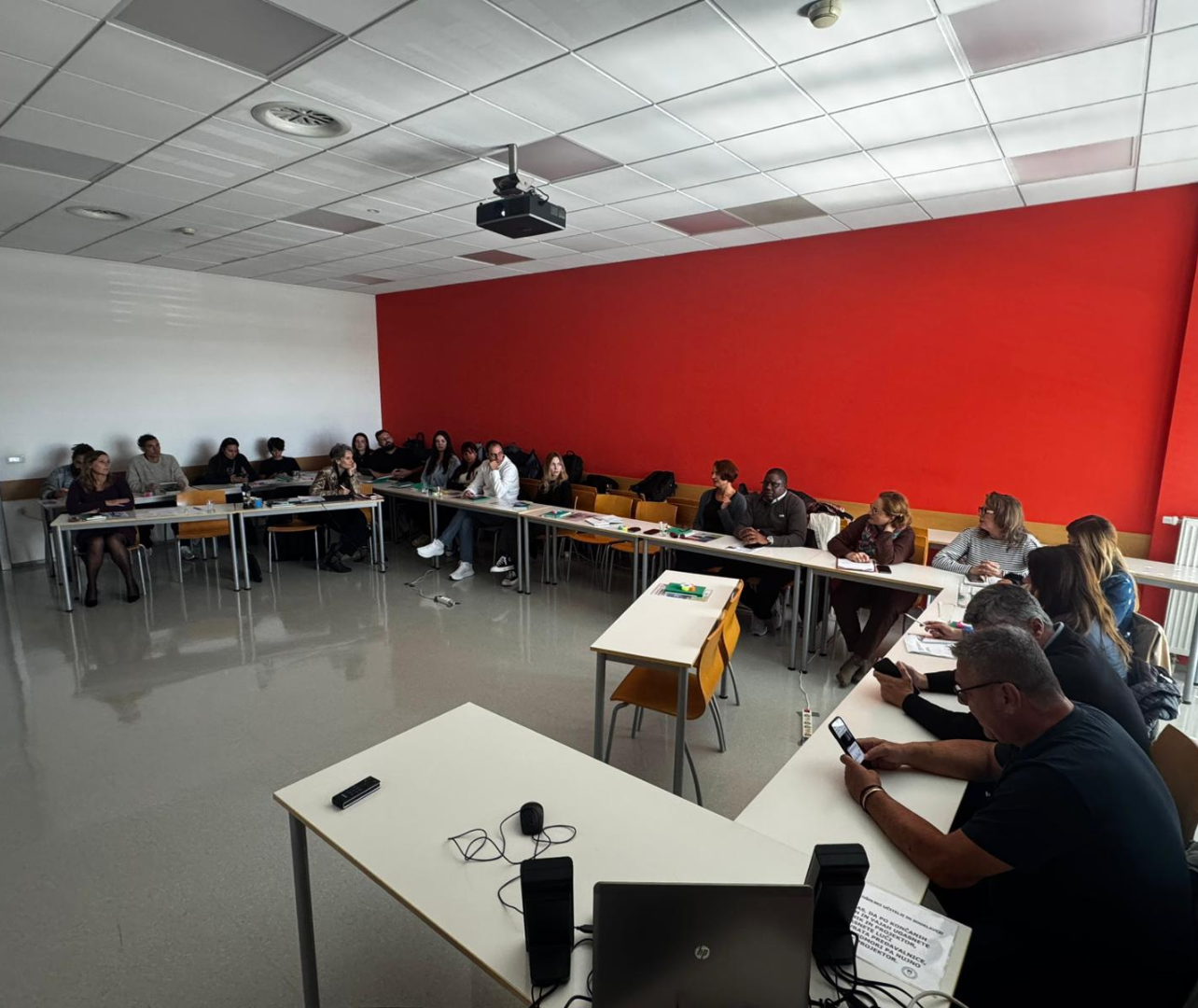
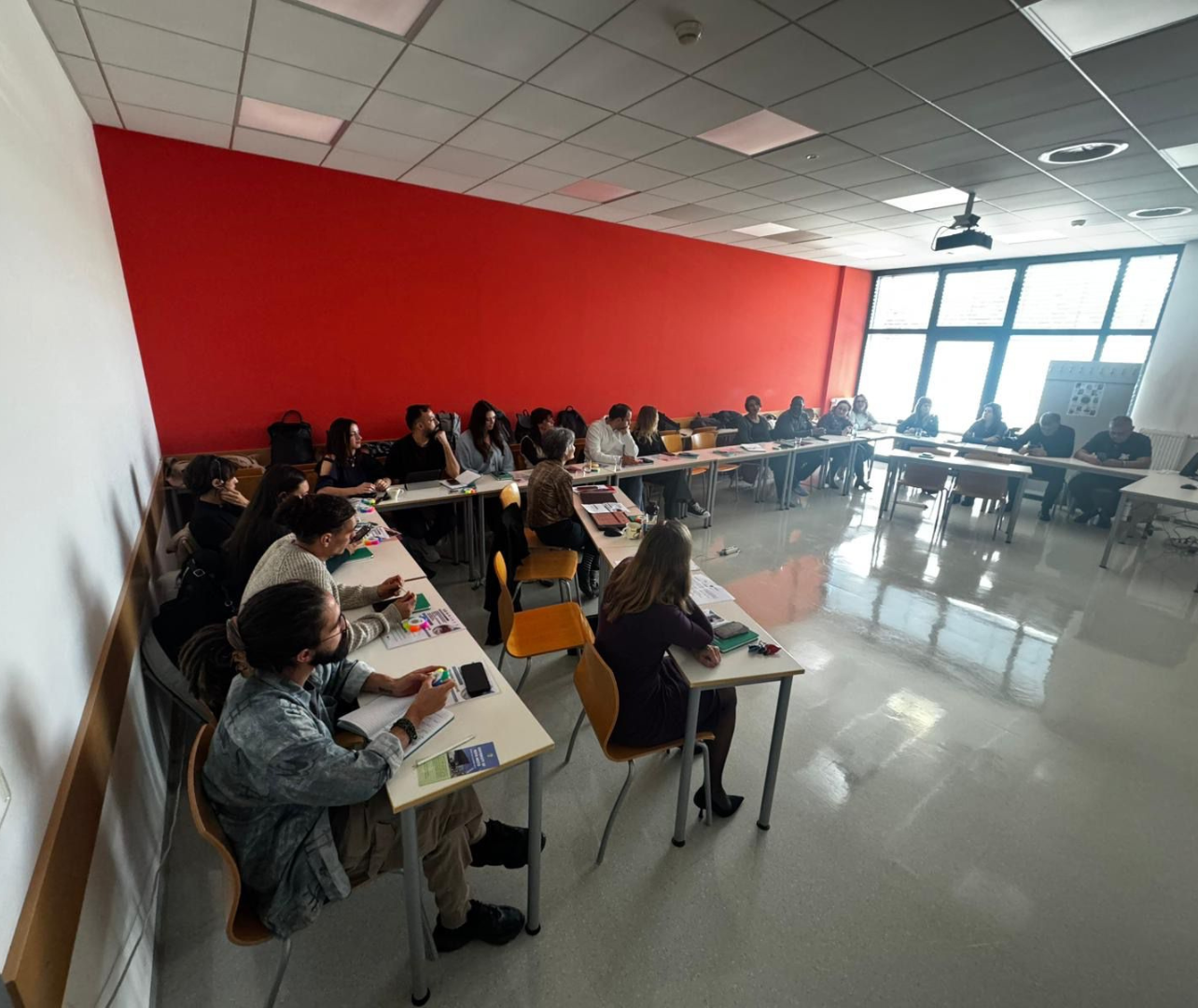
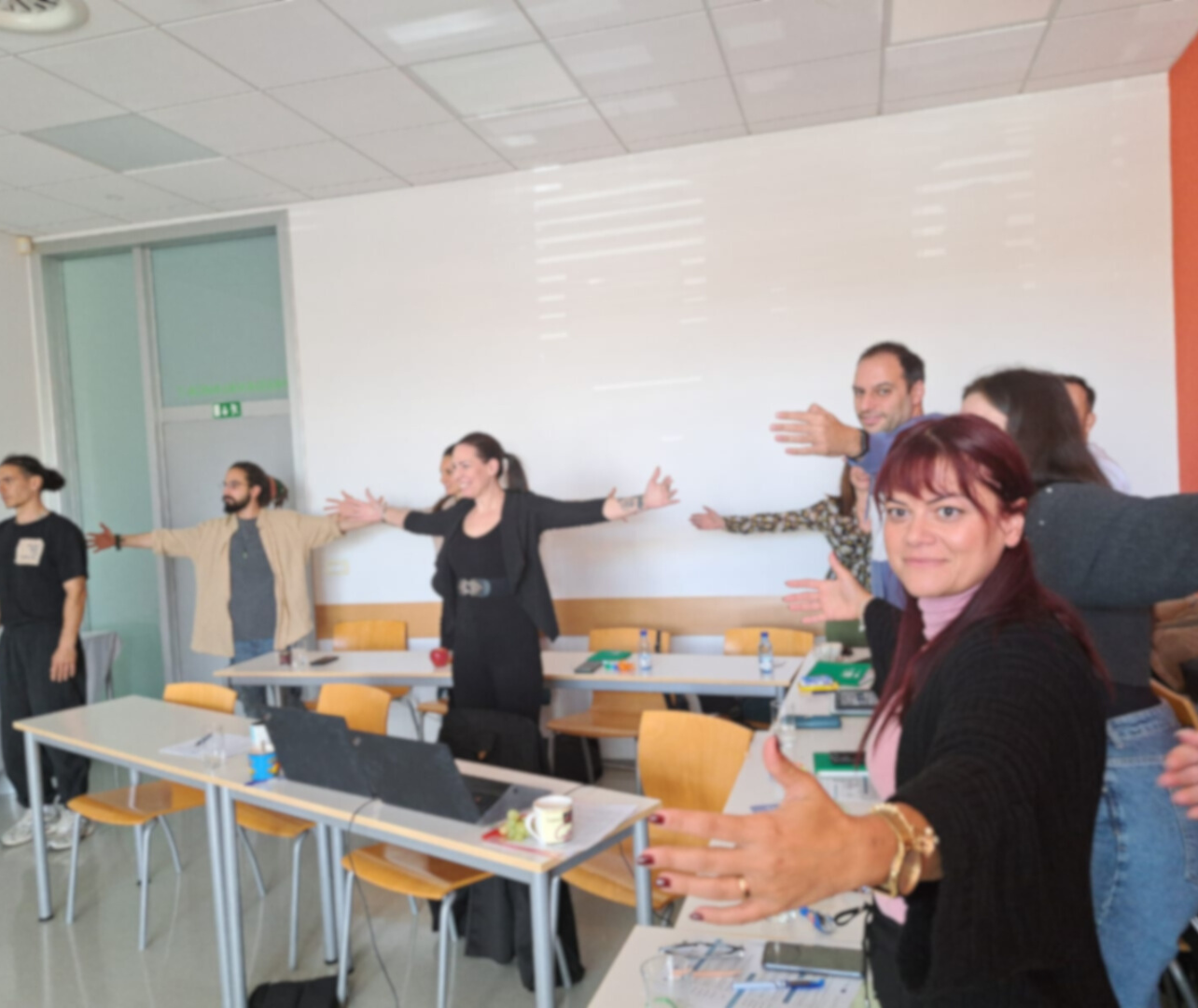
Learning Workshop in Slovenia: From Digital Learning to Hands-On Practice
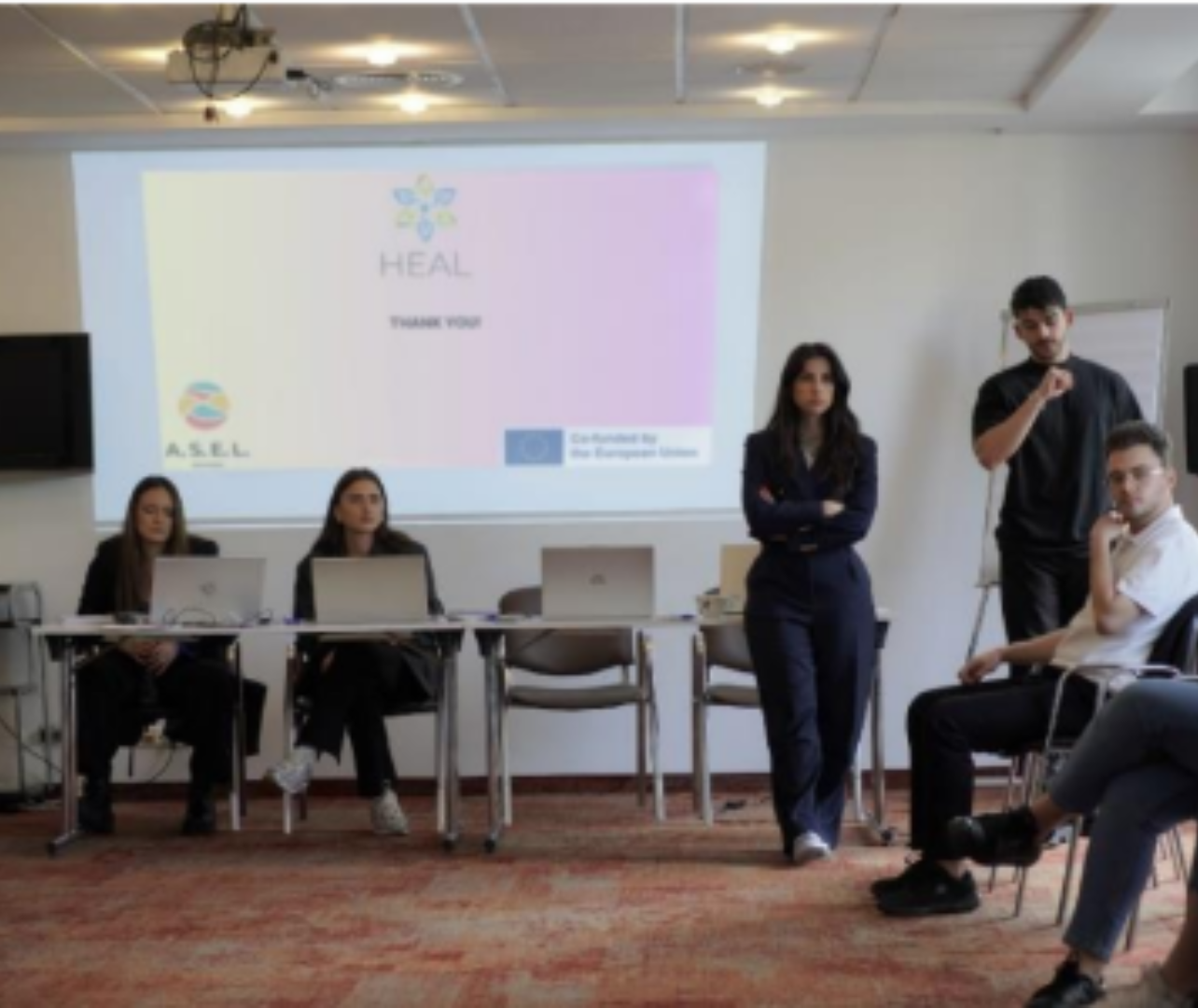
The learning pathway developed through the curriculum and online courses was further strengthened in a face-to-face Learning Workshop for higher education professionals in Slovenia. This training activity provided participants with opportunities for deeper understanding through experiential learning, peer exchange, and hands-on exercises. By working with real-life scenarios, role-playing activities, and guided discussions, educators translated theoretical knowledge into concrete strategies for their own classrooms and institutions. The workshop also reinforced professional networks and supported the exchange of good practices across countries and disciplines.
Together, the curriculum, the online courses, the pilot-testing process, and the learning workshop form an integrated educational model that reflects HEAL’s commitment to evidence-based, inclusive, and practice-oriented learning. The curriculum established the conceptual and pedagogical foundation, the courses transformed this foundation into accessible digital learning experiences, and the testing and training activities ensured quality, relevance, and sustainability. This structured pathway supports higher education professionals in developing the competences needed to create safer, more supportive, and more resilient learning environments for all students.
Click Here For More